
Signs Your Lake Nona Roof Has Storm Damage (and What to Do Next)
By Daniel Reyes ·
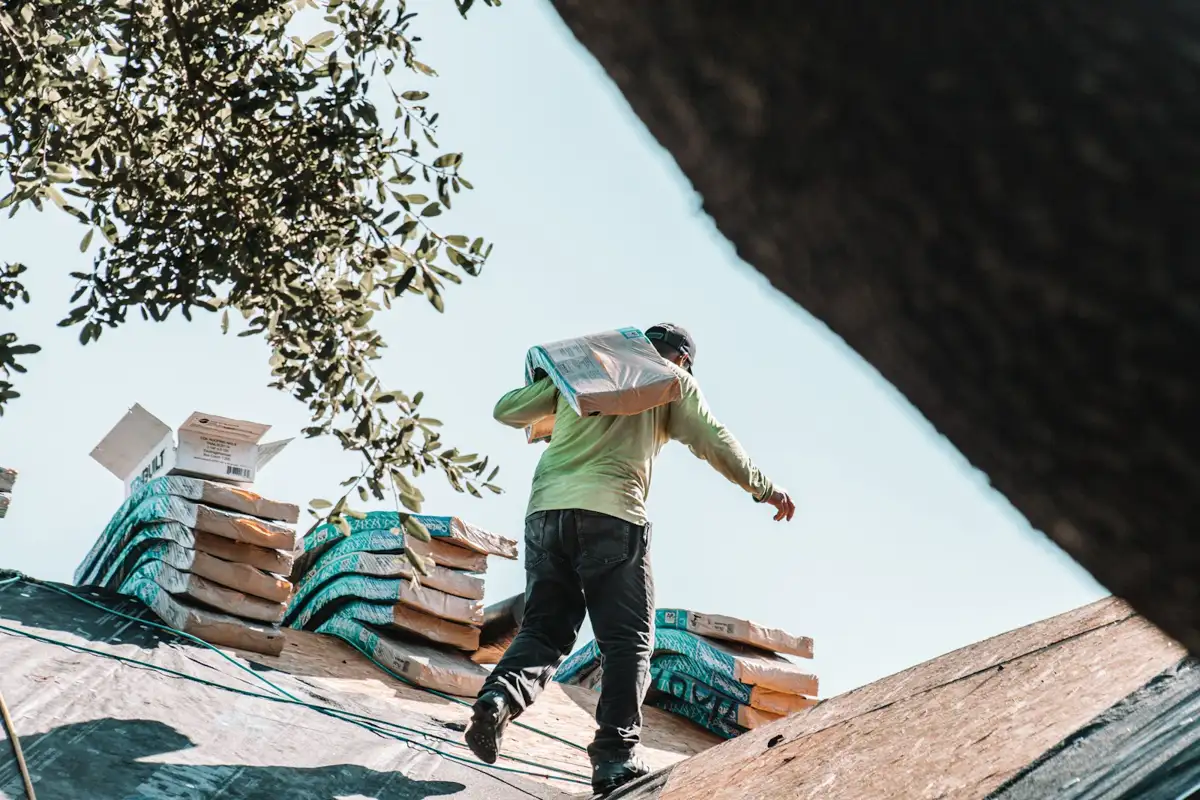
Short answer: After a storm, look from the ground for missing or creased shingles, cracked or slipped tiles, dented vents, granules piling up in gutters, and new stains on ceilings or in the attic. Do not climb on the roof. Photograph what you see, cover active leaks if it is safe, and get a professional inspection quickly, because Florida insurance policies have deadlines and hidden damage gets worse with every rain.
Lake Nona has a lot of newer homes, and many owners assume a young roof cannot be damaged. Wind does not care how old a roof is. Strong gusts can lift the edge of a shingle just enough to break its seal, and from the street the roof still looks fine. The first sign is often a ceiling stain months later.
This guide covers what to look for, what to document, and when to call someone.
Example from a recent job (demo): after a summer storm, a Lake Nona homeowner noticed a few shingle pieces on the driveway and nothing else. The inspection found creased shingles along one whole ridge line where the seal had broken. From the street the roof looked normal.
Safety first
Stay off the roof. Wet shingles and tile are slippery, storm-damaged decking can be weak, and downed power lines may be touching the gutters. Everything in this guide can be checked from the ground, from a window, or from inside the attic.
Signs you can see from the ground
Shingle roofs
- Missing shingles, or bare patches where the black mat shows through
- Creased or lifted shingles: a straight horizontal line across a shingle means it bent in the wind and its seal is probably broken
- Granules in the gutters or at the bottom of downspouts, more than the usual light dusting
- Exposed nails or shingles that look "out of line" with their row
Tile roofs
- Cracked, broken or slipped tiles, often near the ridges and edges where wind is strongest
- Tile pieces on the ground or in the gutters
- Displaced ridge caps or mortar knocked loose
Everything else on the roof
- Dented or tilted vents, pipe boots and exhaust caps
- Bent drip edge or gutters, or gutters pulling away from the fascia
- Debris on the roof: branches can puncture shingles even when they roll off
- Damaged soffit or fascia, which can let wind-driven rain into the attic
Signs inside the house
- New water stains or bubbling paint on ceilings, especially near exterior walls
- Damp insulation or daylight visible through the roof deck in the attic
- A musty smell in upstairs rooms or the attic a few days after the storm
- Peeling paint or swelling around skylights and chimneys
Interior signs can show up days or weeks later, so check again after the next heavy rain.
What to document for insurance
- Date and time of the storm, and the name if it was a named storm
- Photos and video from the ground of every side of the house, plus close-ups of damage you can reach safely
- Interior photos of any stains, wet insulation or leaks
- Receipts for emergency repairs, like tarps or water cleanup
- Older photos of the roof, if you have them, to show its condition before the storm
Read your policy for the hurricane or wind deductible and the claim deadlines, and notify your insurer promptly. Florida law sets time limits for filing hurricane and windstorm claims, so do not wait for the damage to "get worse" before reporting it.
Temporary protection
If water is coming in, put buckets under drips, move valuables and, if a ceiling is bulging with water, keep people away from it. A roofer can install a temporary tarp to limit further damage. Most policies expect you to take reasonable steps to prevent more damage, and the cost of those steps is usually part of the claim. Keep every receipt.
When to call for an inspection
Call for a professional inspection if you see any of the signs above, if neighbors are having roofs repaired, or if a named storm passed directly over Lake Nona. A proper storm inspection includes:
- A walk of every roof plane, with photos of each problem
- An attic check for leaks and wet decking
- A written report you can share with your insurer
- A clear explanation of what is storm damage and what is normal wear
Be careful with door-to-door "storm chasers" who show up after a hurricane, ask you to sign quickly, or want payment before any work. Check that the contractor holds a Florida roofing license and carries insurance.
HOA and community rules
Many Lake Nona communities have architectural review rules for roofing materials and colors. If repairs or a replacement are needed after a storm, ask your roofer to handle the HOA paperwork along with the permit so the work is not delayed.
A tip from Daniel Reyes
"Take a few dated photos of your roof every spring. After a storm, those before photos make your claim much simpler." (demo tip)
Next step
If you are not sure whether your roof was damaged, an inspection gives you an answer and documentation either way. See our storm damage and insurance claims service, learn about roofing in Lake Nona, read our hurricane season roof checklist, or request a free inspection.
Need help? See our Storm Damage & Insurance Claims service, request a free written estimate, or call (407) 555-0142.